
TL;DR
- -Most Lake Norman and Piedmont Carolina lots require a retaining wall as part of a pool project — a 4-foot grade change often demands a wall 4 to 6 feet tall once the deck is poured.
- -The four main types are engineered segmental block ($25–$50/sq ft), concrete masonry units ($20–$40/sq ft), poured concrete ($50–$75/sq ft), and natural stone ($50–$100/sq ft).
- -Height and drainage are the two biggest cost drivers: walls above 4 feet require engineered drawings and may need geogrid reinforcement; proper drainage adds $10–$20 per linear foot.
- -For a 30-linear-foot wall at 4 feet tall using engineered block, budget $9,000–$18,000 — this should be a defined specification in your initial bid, not a rough allowance.
- -In Mecklenburg and Iredell County, retaining walls over 4 feet require a permit and typically a stamped drawing from a structural engineer.
The Slope That Changes Your Budget
That slope in your backyard isn't a deal-breaker — but it does mean your pool project includes a structural element most homeowners don't price out until the design is nearly finished: a retaining wall.
On most Lake Norman and Piedmont Carolina properties, where the terrain rolls considerably, retaining walls come with the territory. A 4-foot grade change that looks minor on paper often demands a wall 4 to 6 feet tall by the time the deck is poured. Understanding your options before you sign a contract helps you budget accurately — and prevents you from making a decision you'll regret every time you look at your backyard.
Why Pool Projects Need Retaining Walls
You typically need a retaining wall any time the design requires holding back soil: when your yard drops off behind the pool to create a level deck, when the pool is cut into a hillside, or when you're building up grade to create a level entertaining area. Without proper retention, soil migration damages your deck, undermines the pool's structural shell, and creates drainage problems that compound over years.
Your Four Main Options
Engineered segmental block (Allan Block, Versa-Lok, and similar). This is the workhorse for most residential pool projects. Engineered block is strong enough to handle substantial soil loads, installs faster than natural stone, and comes in tumbled, textured, or multi-face finishes that can look surprisingly close to real stone at a fraction of the cost. Installed cost: $25 to $50 per square foot of wall face.
Concrete masonry units (CMU). Standard concrete block is reliable, structurally predictable, and runs $20 to $40 per square foot installed. It suits clean, modern designs well — especially when the wall will be finished with stucco, stone veneer, or tile.
Poured concrete. The strongest structural option, at $50 to $75 per square foot. Poured walls are typically reserved for heights above 5 feet, high-pressure soil conditions, or when the wall serves a secondary design purpose — an elevated seating ledge or a built-in water feature backdrop.
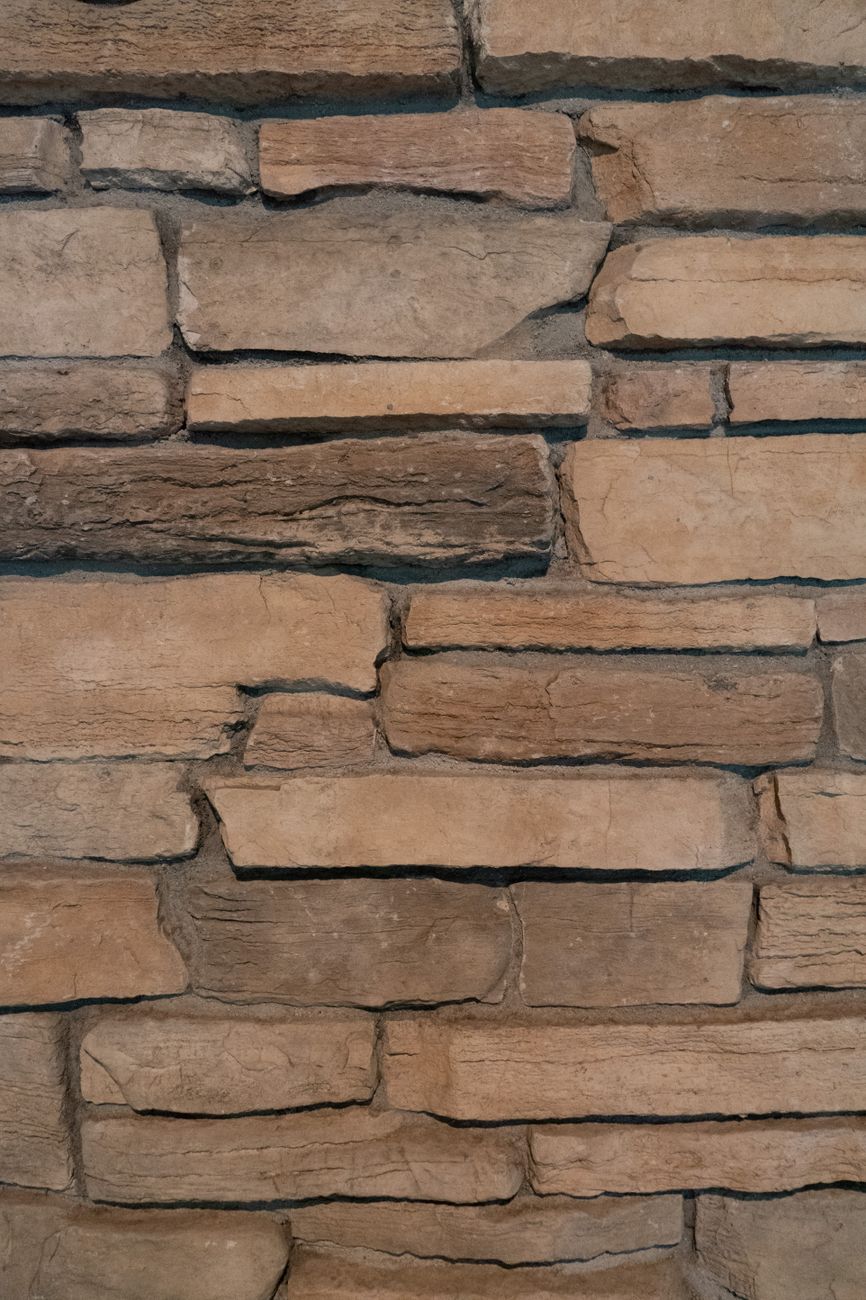
Natural stone. Dry-stacked or mortared stone runs $50 to $100 per square foot installed. It integrates beautifully into naturalistic or wooded pool settings, but it's labor-intensive and less structurally predictable than engineered systems above 4 feet.
What Actually Drives the Cost
Two variables matter more than material choice: height and drainage.
Walls above 4 feet usually require engineered drawings — stamped plans from a licensed structural engineer — and may need geogrid reinforcement buried in the soil behind the wall. A 4-foot CMU wall is a straightforward build; a 6-foot version is a different engineering problem with a correspondingly different price tag.
Drainage adds to every wall budget. Any system that holds back soil also needs to move water, or hydrostatic pressure will push the wall out of alignment over time. That means perforated drain pipe, filter fabric, and gravel fill behind the wall — budget $10 to $20 per linear foot on top of any material estimate.
Design Integration: The Part Most Homeowners Miss
The best retaining walls in pool projects don't read as retaining walls. They read as raised seating areas, planting beds, tiered terraces, or privacy screens. A wall that uses matching coping material and integrates flush with the pool deck looks intentional. A bare block wall tucked 12 inches behind the deck looks like an afterthought — because it usually is.
When you're reviewing designs with a pool contractor, ask specifically how the retaining wall connects to the overall aesthetic. Cap material, coursing pattern, and transitions between wall and deck are decisions that affect every photo you take of your finished backyard. If the contractor says the wall will be figured out during construction, that's a design process problem worth pressing on before you sign anything.
What to Budget
For a typical Carolina pool project with moderate grade — a 30-by-15-foot pool with 30 linear feet of wall at 4 feet tall, using engineered segmental block — expect to budget $9,000 to $18,000 for the wall. Steeper sites, taller walls, or premium stone finishes push that number higher. The point: retaining wall scope belongs in your initial bid as a defined specification with material callouts, not as a rough allowance to be figured out after permits come back. Surprises on structural work are always expensive.
A Note on Permits
In Mecklenburg and Iredell County, retaining walls over 4 feet typically require a permit and, in most cases, a stamped drawing from a structural engineer. If your contractor isn't raising this during the design phase, ask directly. Unpermitted walls can create legal exposure at resale — and occasionally become a condition of sale that delays closing.
Start the Conversation
The team at Rock Water Pools has built pools on everything from gentle rolls to serious hillside challenges across Lake Norman, Mooresville, and the Charlotte area. Retaining walls are part of the design conversation from day one — not a line item we figure out after permits. Call us at 704-450-1023 to set up a site visit and get an honest read on what your backyard's topography means for your project.
About the author
Rock Water Pools - Custom Pool Designer & Builder. Mooresville-based custom pool design and build team. Serving Lake Norman, Charlotte metro, and the Carolinas since 2008. Hundreds of completed concrete and fiberglass builds across NC and SC. Questions? Call or text (704) 450-1023.
17+ years building custom inground pools across the Carolinas.